
No Category
How to Choose a Cryptocurrency Exchange
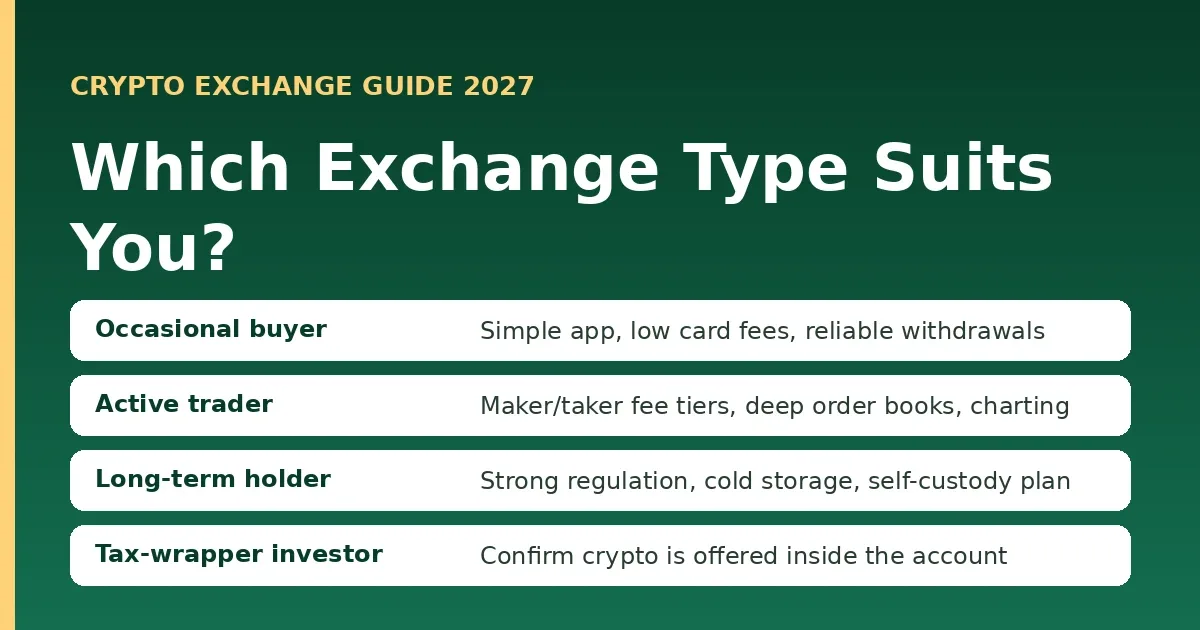
A cryptocurrency exchange lets you buy, sell and store digital assets. Most mainstream…

Choosing a forex broker is one of the most important decisions a trader makes. The firm you select determines how your orders are filled, how your money is held and how easily you can withdraw it. These guides walk through the checks that matter most, in the order that is most useful, so that you can build a shortli…
A cryptocurrency exchange lets you buy, sell and store digital assets. Most mainstream…
The currency market is the largest financial market on earth. The Bank for International…
Choosing a forex broker is one of the most important decisions a trader makes. The firm you select determines how your orders are filled, how your money is held and how easily you can withdraw it. These guides walk through the checks that matter most, in the order that is most useful, so that you can build a shortlist you can defend.
Start with the regulator. Find the licence number in the broker's legal disclosures, search it on the regulator's public register and confirm that the company name matches the one in your client agreement. A broker that cannot show a clear licence, or that uses different names in different documents, deserves a closer look before anything else.
Costs are where brokers differ most in practice. Add the spread, any commission, overnight financing and inactivity or data fees. Apply the total to ten sample trades on the pairs you use. A simple spreadsheet will show you which broker is cheapest for your style.
Deposits are easy; withdrawals reveal the real quality of a broker. Ask for the typical processing time, the documents required and any minimum or fee. Make a small deposit and a small withdrawal before you increase your funding, so that you have measured the process rather than assumed it.
Be cautious of guaranteed returns, pressure to deposit quickly, unclear ownership, vague fee disclosure and withdrawal delays that are explained with changing reasons. Any one of these may have an innocent explanation, but several together are a strong reason to walk away.
A broker that suits you today may not suit you in a year. Review costs, execution and withdrawal experience periodically, and check that the licence remains valid. Keeping a short written record of your decision and its reasons makes that review easier.
The guides on this page are for general education. They do not endorse any broker, and conditions can change. Verify every detail with the regulator and the broker itself before opening an account, and seek independent advice if you are unsure about your options.
A direct comparison is more useful than reading reviews one by one. Choose two or three brokers, open a demo account with each and trade the same instruments over the same period. Record the spreads, the fills, the platform stability and the speed of support responses in a single table. The differences will often be clearer than any written review could make them.
When the comparison is finished, write a short summary of the reasons behind your choice. Note which factors mattered most to you and which trade-offs you accepted. A clear decision record makes it easier to review the choice later, and to explain it if your circumstances change.
Ask how the broker routes orders and whether it ever takes the other side of your trades. Some firms pass orders to external liquidity providers, while others internalise some or all of them. Neither model is automatically better, but knowing which applies helps you judge conflicts of interest, slippage and the reliability of fills during volatile markets.
Also check whether the broker publishes execution statistics or allows independent testing. Transparency in this area is a good sign, and a firm that avoids these questions deserves extra scrutiny before you fund an account.