
No Category
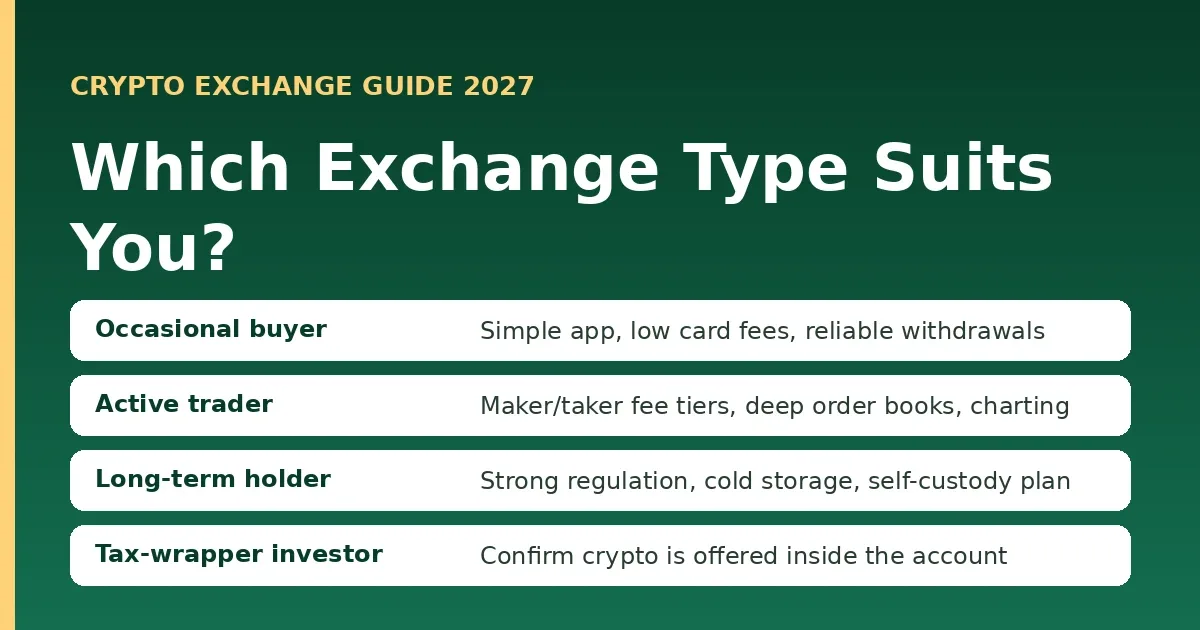
How to Choose a Cryptocurrency Exchange
A cryptocurrency exchange lets you buy, sell and store digital assets. Most mainstream…

Forex bonuses range from small no deposit credits to deposit matches, welcome packages and trading contests. Each type works differently, and the headline figure rarely tells the whole story. These guides explain how bonuses work, what the conditions mean in practice and how to decide whether an offer is worth claim…
A cryptocurrency exchange lets you buy, sell and store digital assets. Most mainstream…

The currency market is the largest financial market on earth. The Bank for International…
Forex bonuses range from small no deposit credits to deposit matches, welcome packages and trading contests. Each type works differently, and the headline figure rarely tells the whole story. These guides explain how bonuses work, what the conditions mean in practice and how to decide whether an offer is worth claiming for your own trading.
A no deposit bonus gives you a small trading credit without requiring a deposit. A deposit bonus adds a percentage of the amount you fund, which increases the margin available to you. A welcome bonus usually combines a credit with a first-deposit offer, and contests reward performance over a set period. Each type creates different incentives, so treat them separately when you compare.
To judge an offer, estimate its net value. Work out the commissions and spreads you would pay to complete the conditions, then compare that cost with the credit you would receive. If the net value is small, or if completing the conditions would push you into risky trading, the offer is not worth claiming, however attractive it looks.
The most common mistake is oversized trading to meet a target quickly. Traders who chase the bonus often lose the credit and anything they had earned. Another is missing the expiry date, after which unfinished volume and open profit can disappear. Keeping a simple tracker of lots, deadlines and balances prevents both problems.
A bonus should never be the main reason to open an account. Check the broker's licence, its costs, its platform and its withdrawal process first. A bonus can add value to a sound broker, but it cannot compensate for poor execution or slow withdrawals.
Save the terms as they stood when you claimed the offer, along with screenshots of your balance and lot count. If the broker later disputes whether a condition has been met, those records are your best evidence. Written records also help you compare offers fairly across brokers.
The guides published here are for education. They do not recommend any particular offer, and terms can change without notice. Always read the broker's own conditions before registering, and make decisions that fit your financial situation and risk tolerance.
A bonus can change how you trade, often without you noticing. Some traders take larger positions because they feel they are risking someone else's money, while others become cautious and avoid trades that would help them complete the conditions. Both reactions can damage results. The safest approach is to trade the bonus account exactly as you would trade your own, using the same position sizes and the same plan.
It also helps to decide in advance what you will do once the conditions are met or the offer expires. Whether you withdraw, close the account or continue trading, a predetermined choice protects you from making a rushed decision under pressure.
A bonus is only as trustworthy as the firm offering it. Before claiming any offer, confirm the broker's licence on the regulator's register, identify the legal entity behind the account and check whether residents of your country are accepted. Then read the bonus terms from the broker's own site, not from a summary that may be out of date.
Once the account is open, test a small withdrawal early. A broker that handles a modest request promptly and clearly is more likely to handle a larger one smoothly later, and it gives you real evidence about the process rather than a promise.